
Rudolf Kempe, Principal Conductor to some of the leading orchestras and opera houses in Europe, was one of the last representatives of the great German conducting tradition of the 19th and 20th centuries. Throughout the world he was highly regarded for his baton technique which in its brilliance and clarity was second to none; for the authenticity of his interpretations of an uncommonly wide repertoire in both opera and concert; for his qualities as an educator and guiding spirit of orchestras; and for his integrity as a musician and as a man. His relationship with the music scene in England, dating back to 1953, was extraordinary. It was based on mutual respect between him and the musicians, and on a deep understanding of mentality and shared artistic aims. It lasted almost a quarter of a century, until his death in 1976.
Britain and the orchestras
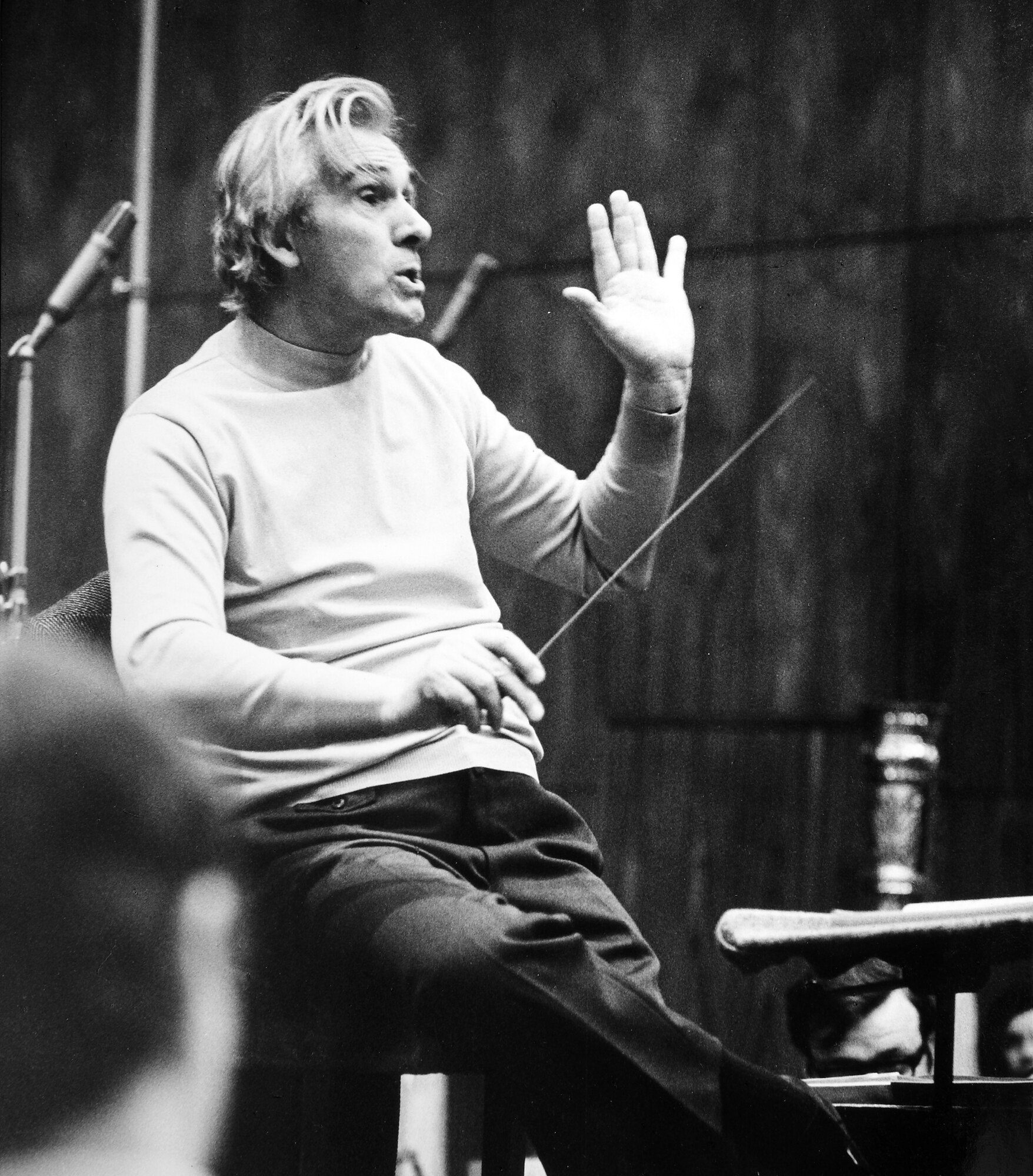
Through his association with the Royal Opera House Covent Garden, his work as Principal Conductor of the Royal Philharmonic Orchestra for fifteen years, and, in the same capacity, with the BBC Symphony Orchestra until his death, Kempe greatly influenced these orchestras and their artistic standing at home and abroad. This influence – which in some cases affected the very core of their existence – is felt to this day by generations of professionals and music lovers.
The pianist and chamber musician
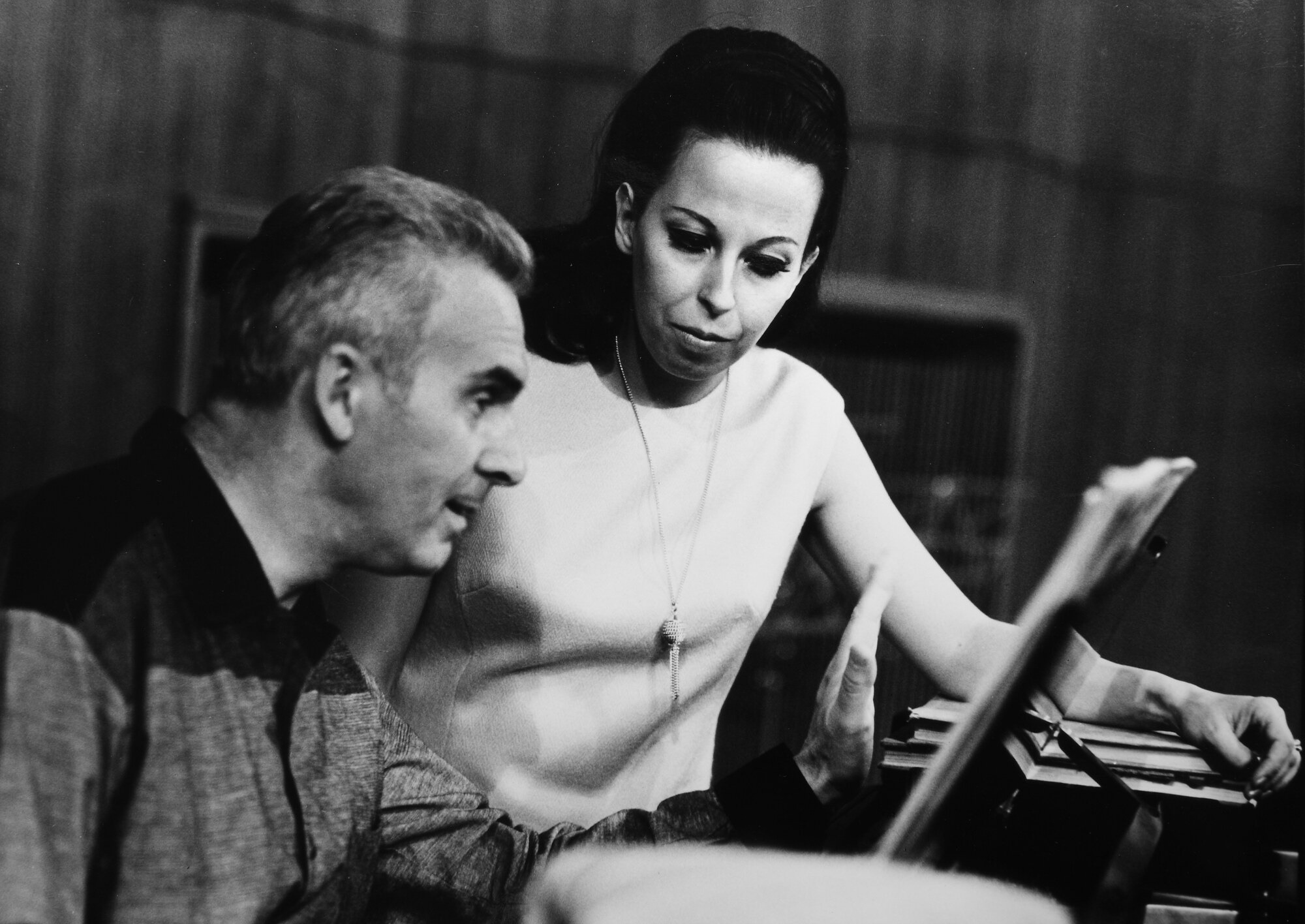
Throughout his career – on which he embarked as a pianist and oboist – Kempe also continued to perform regularly as a piano soloist in concertos, and was much in demand as a partner in chamber music and as a lieder accompanist. It is the experience in these more intimate fields that, in his view, enhances more than anything the musical sensitivity and the sense of ensemble that make the true artist.
The teacher
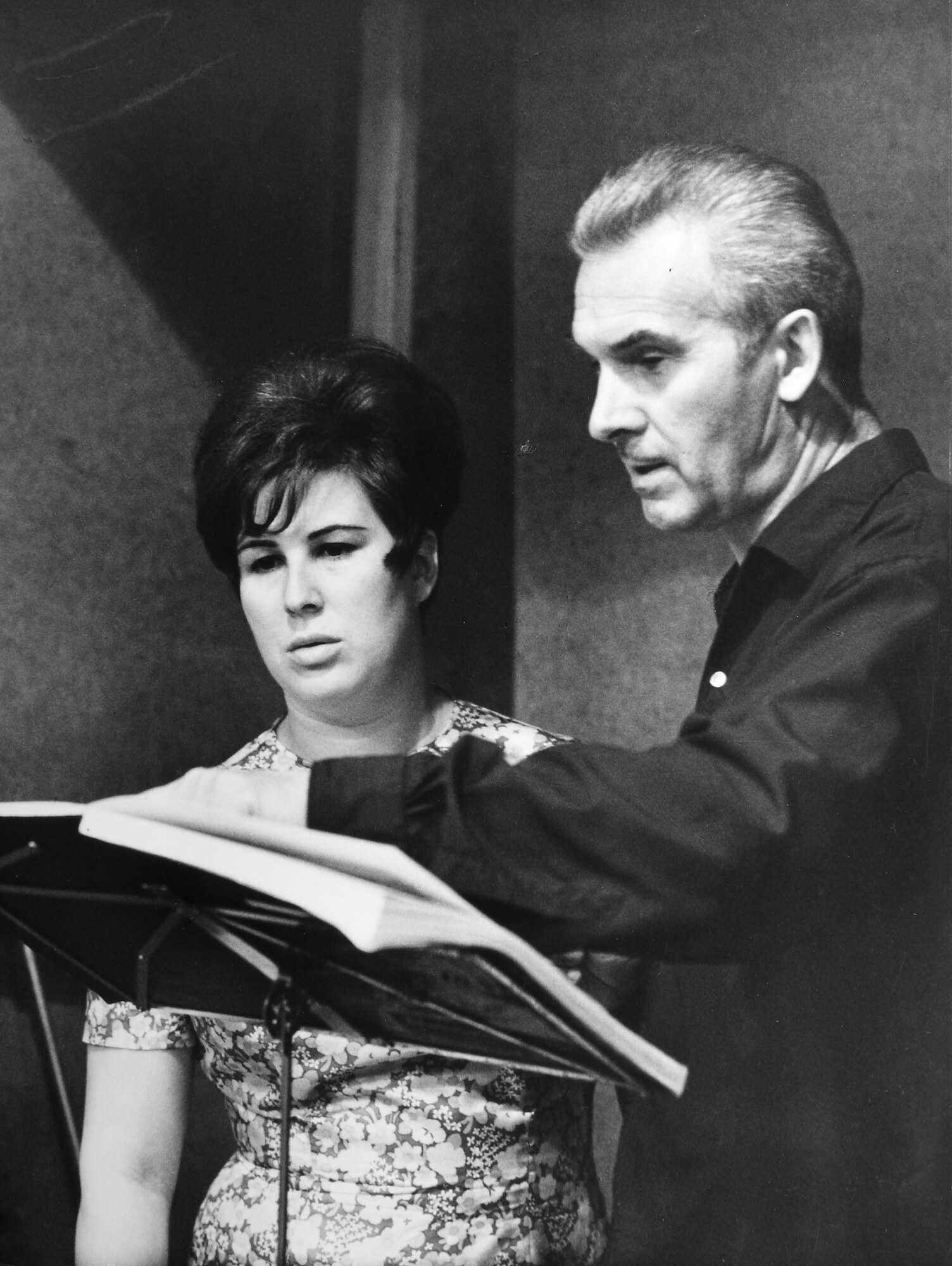
Shy as a person, and deeply suspicious of the razzmatazz that generally surrounds the conductor’s rostrum and its power, Rudolf Kempe devoted an ever increasing amount of his time, thought and energy to teaching and guiding young musicians – conductors, singers and instrumentalists alike.
It was this concern, shared by the best among his fellow artists, which brought the Society into being and inspired it throughout its forty years.
The archive and his resting place
In 2008, Rudolf Kempe’s complete archive was transferred from Munich to the Rudolf Kempe Society’s base in the UK, ‘THE MUSES’ at 58 Waterside in Stratford-upon-Avon.
At the same time, his remains found their final rest in the gardens of that peaceful place and its timeless artistic ambience.
After the Society closed in 2021, the archive found a new home with the Staatskapelle in Dresden – the orchestra in whose school Kempe had trained, and which he had led after the war.
The Society’s friends remembered him there every June with a birthday concert, and the poet Hazell Hills wrote Roundelay for the garden.
Kempe’s legacy
Kempe’s legacy lives on in his recordings, in the orchestras he shaped, and in the generations of musicians he guided. The Rudolf Kempe Society carried that care for young musicians forward for forty years through master classes, workshops and concerts – see the Society and its events archive.