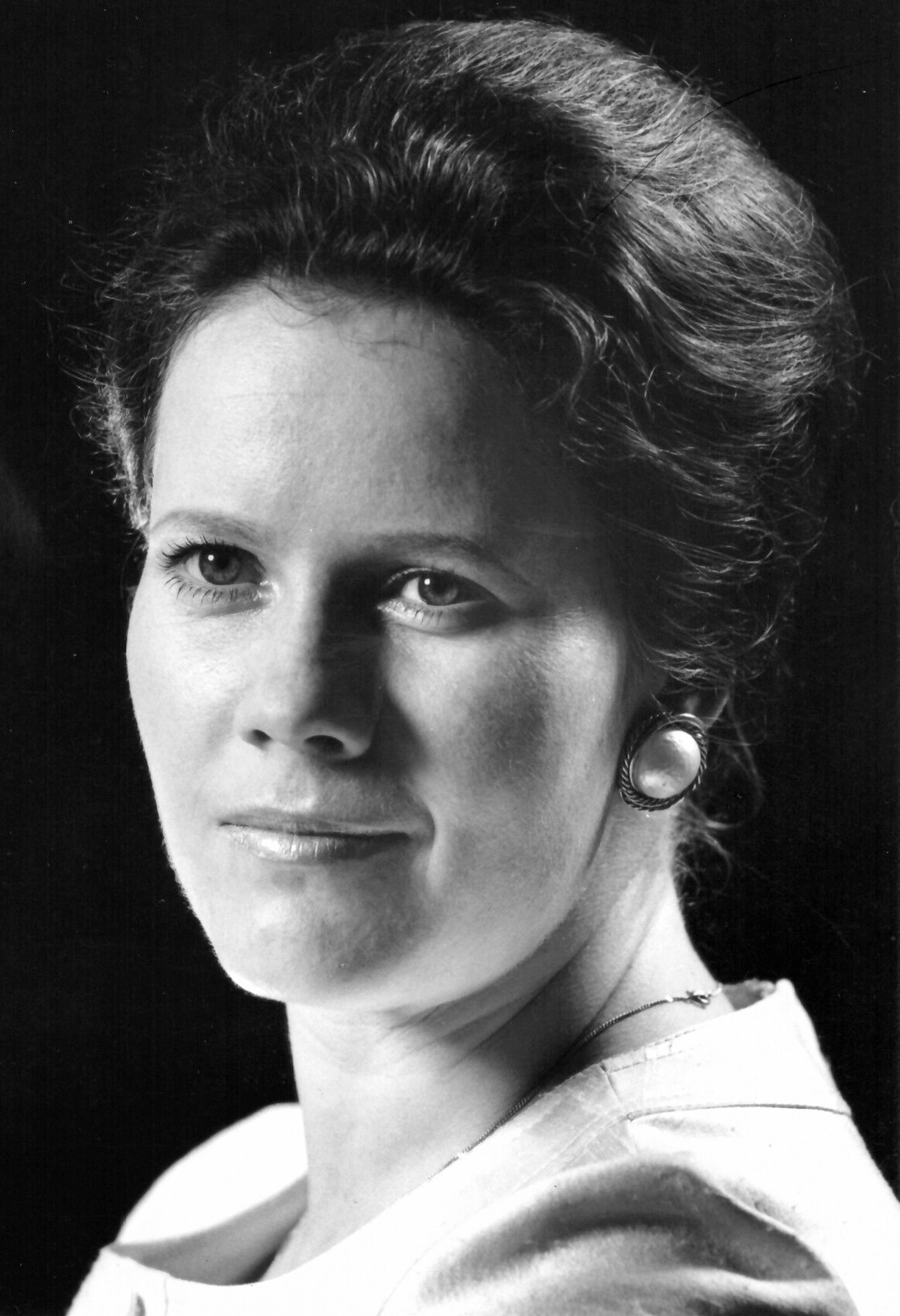
Cordula Kempe (1942–2024) was a violinist, teacher and writer, the widow of the conductor Rudolf Kempe and for four decades the Artistic Director of The Rudolf Kempe Society. She formed the Bergonzi Quartet, devised the word and music programmes Songs of Apollo and created the Kempe Studio at The Muses in Stratford-upon-Avon.
Family and childhood
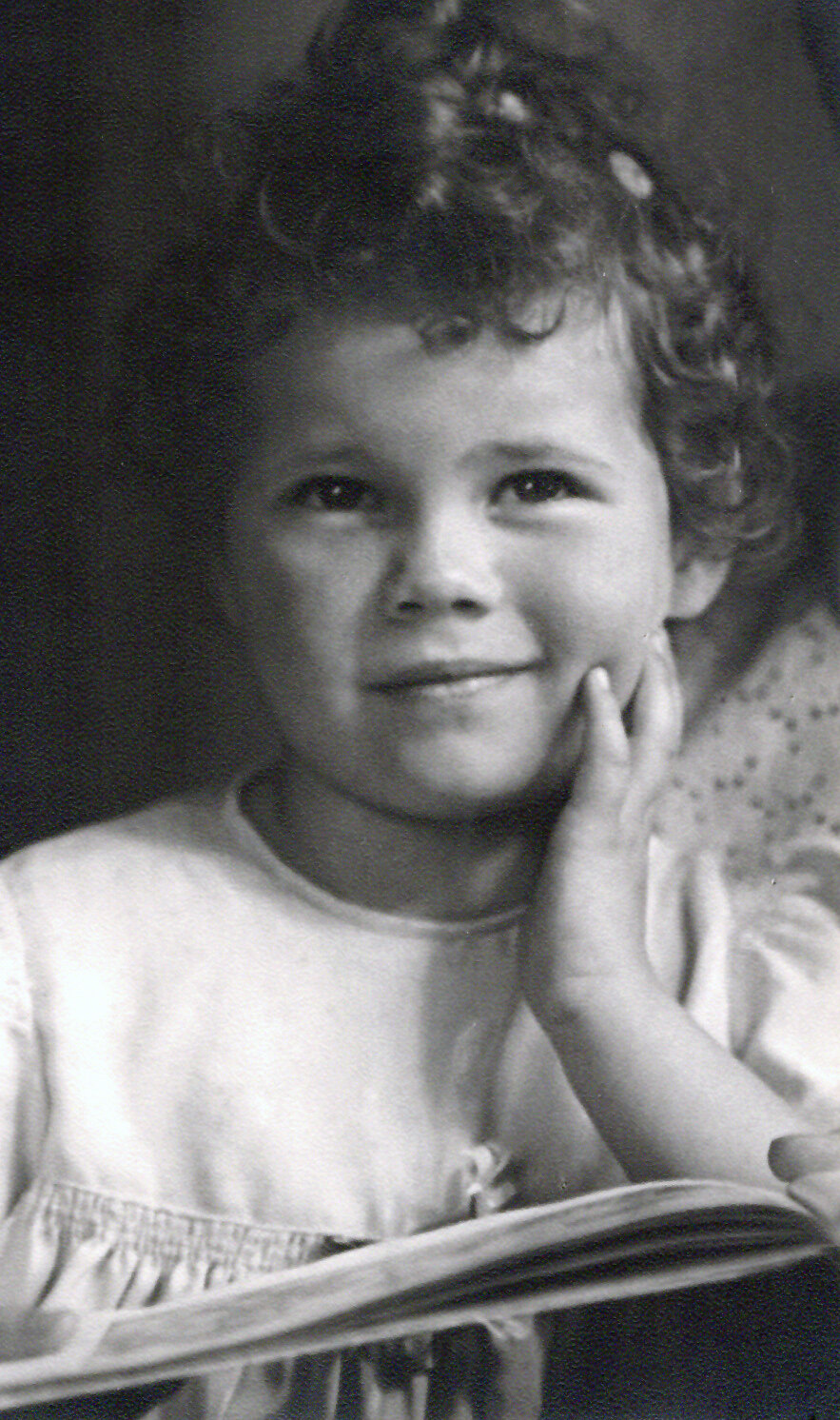
Born in Stuttgart in 1942, Cordula Kempe, née Oettinger, was brought up in a family where virtually all classical music was at home, and performed live, eight out of seven days a week. In early post-war Germany, with no records and hardly any music on the radio, this home gave her an invaluable experience of what music is about – and a much deeper understanding of it than is imaginable in a world where everything is accessible at any time, in sterile technological products.
Her father, though a lawyer by profession, was an uncommonly gifted practising musician, who also composed but was too modest to publish anything. A versatile pianist, he was in demand both as a soloist with orchestras and as an accompanist of instrumentalists and singers, his repertoire ranging from Bach to Richard Strauss, by way of Schubert and all the mainstream composers: oratorio, chamber music, opera. Her mother, not a performer herself, provided the sandwiches for everyone – not easy in the late 1940s and early 1950s – while remaining a loving but astutely critical listener. At 92 she was in raptures about Beethoven’s late string quartets, and on her deathbed she kept saying: “How sorry I feel for anyone who leaves this world without having heard a single Schubert song!”
Cordula’s brother Friedemann, four years her junior, had a remarkable musical talent, a beautiful baritone voice and a natural gift for conducting. Rudolf Kempe would say of the 23-year-old: “Even today I could still make something of him!” Friedemann took up the piano early on, as his father had, but eventually made theology his profession. He was an invaluable comfort to Cordula when Rudolf Kempe died, and he conducted the funeral service. He himself died young, terribly missed not just by his family and parishioners but by the German Peace Movement and a number of interfaith institutions.
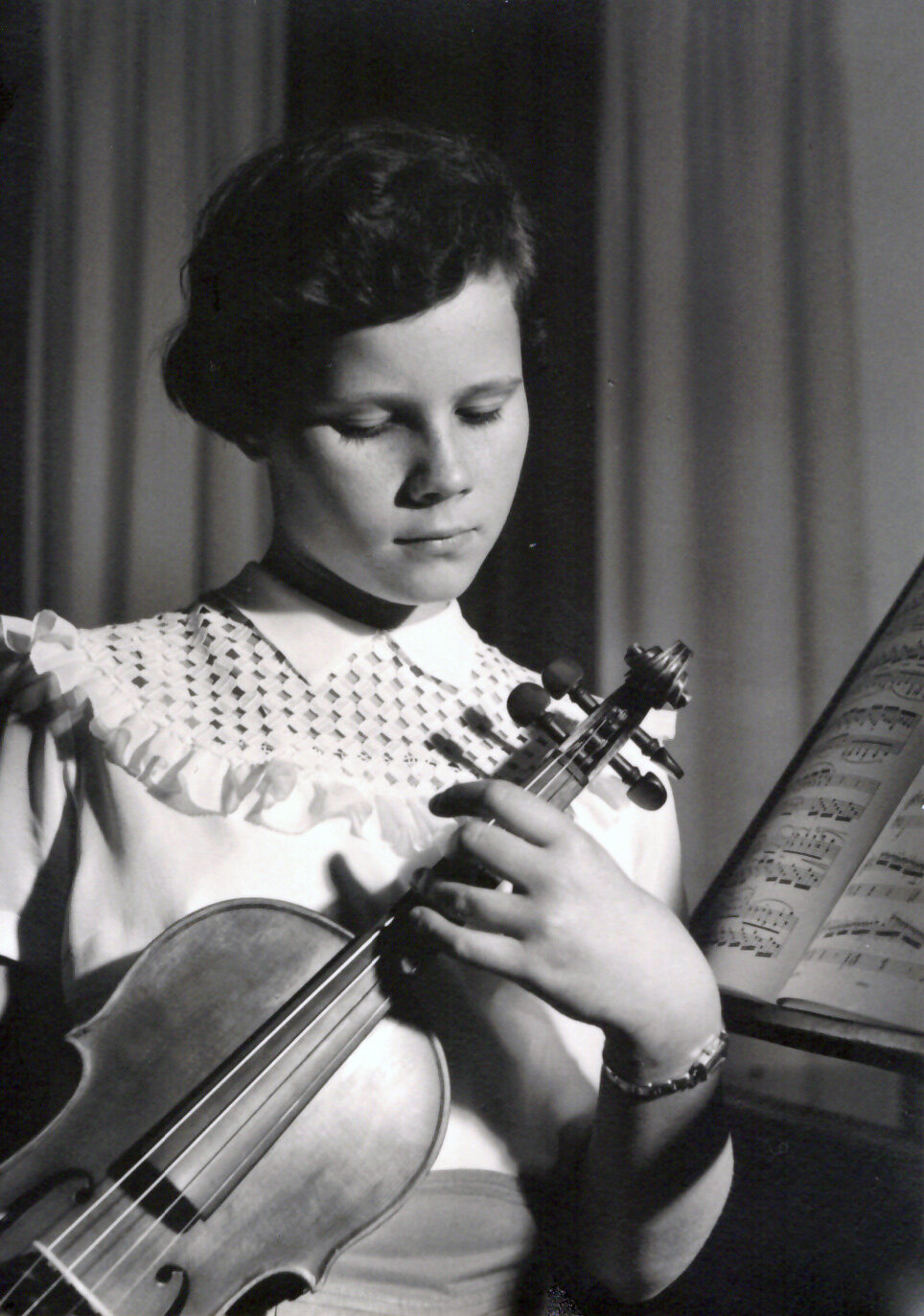
Cordula began playing the violin at the age of eight, having longed for it since she was three, when she first heard the aria “Erbarme dich” from Bach’s St Matthew Passion, live, with its sublime violin solo. But she was made to wait, biding her time on the boring recorder, as obedient children do. Yet she was allowed to turn pages for her father, at home and in concerts, before she could read and write.
School and the Munich Academy
She passed her university entrance exams with flying colours in literature and classical languages (though not exactly in maths) at Stuttgart’s Hölderlin Gymnasium, a grammar school for girls which annually turned out bluestockings in their hundreds. Her classmates used to say of her: “Her soul’s forever searching for the land of Greece!” – though it was that of Schubert’s Winterreise rather than ancient Greece.
Having also studied Italian, the better to understand Mozart’s operas, and much later Hebrew, the better to understand the Old Testament, she at last had her parents’ approval to devote herself full time to studying the violin at the Munich State Academy. She did so wholeheartedly. That the hugely impressive academy building had been built for Hitler, in this “Capital of The Movement”, and still reeked of it, took time to sink in with a girl brought up in the complete political vacuum of post-war German education. Confirmation was to come flooding in from all sides when she met Rudolf Kempe and, through him, the rest of the world. It changed her life.

In 1965, while still a student, Cordula was invited to play in the Munich Bach Orchestra under Karl Richter, heir to 200 years of Bach tradition: a unique and lasting musical influence. Richter was later, unwittingly, instrumental in her meeting her future husband, who thought the world of his fellow Saxon’s musicianship. Kempe often invited Richter to conduct the Munich Philharmonic in non-Bach repertoire, and at Cordula’s request Richter conducted the orchestra’s Kempe Memorial Concert in 1976.
As an undergraduate she also performed as a soloist in works by Bach, Mozart and Beethoven with various chamber orchestras. In 1966 she played Mozart’s Concerto K 219 with one led by members of the distinguished Melos Quartet, in the presence of the “Schwaben-Callas”, the future Federal Chancellor Kiesinger, who gallantly thanked her mother for having heard, and seen, her daughter. Politicians talk.
Max Rostal
After graduating in 1967, with a diploma in both performing and teaching, Cordula left Munich for highly intensive violin studies with Max Rostal, Carl Flesch’s most eminent pupil and arguably the greatest violin teacher in 20th-century Europe and beyond. Driven out of Germany by the Nazis, as Flesch had been, Rostal worked mainly in London, at the Guildhall School and the Royal Academy of Music.
He remained her mentor. She went on working with him, occasionally as his assistant, and he became a close friend of both Kempes until his death in 1991. He had played several times as a soloist in concerts and recordings with Kempe, and later gave numerous master classes for the Rudolf Kempe Society in London and Munich, all of them documented on video.
The Munich Philharmonic
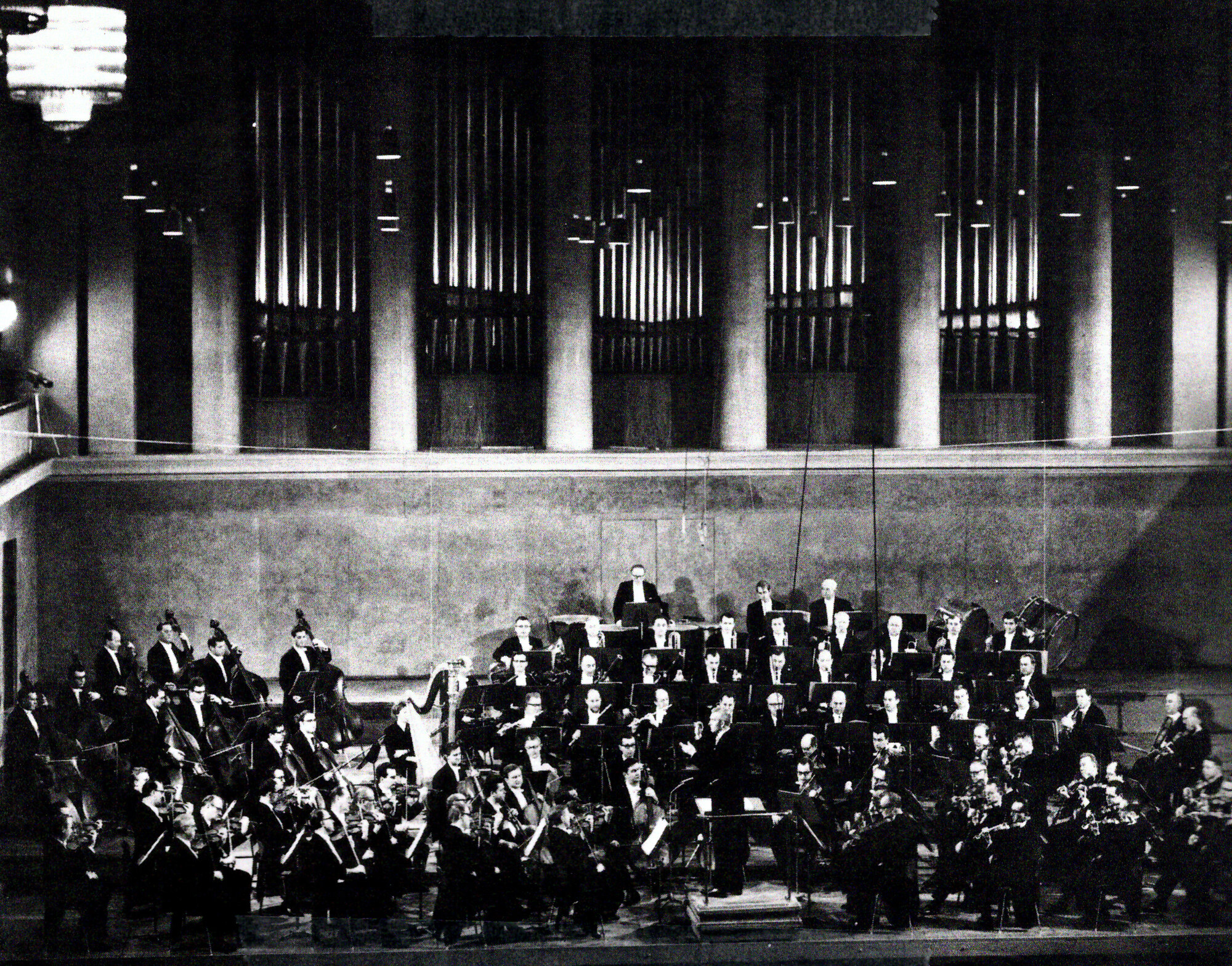
In 1969 Cordula was appointed one of the first female members of the Munich Philharmonic Orchestra – then, as she put it, a bunch of notorious misogynists: “Women always get pregnant, and we have to do all the work!” Her audition took place behind a screen, as the Principal Conductor had made it clear that he didn’t care whether a candidate was male, female, red, black or green: he wanted the best player. Life in the orchestra was not easy, but she adored it for its glorious repertoire. When her colleagues moaned “Oh, not Brahms One again!” she would retort: “You should be sent down the mines to dig coal instead!”
Life with Rudolf Kempe

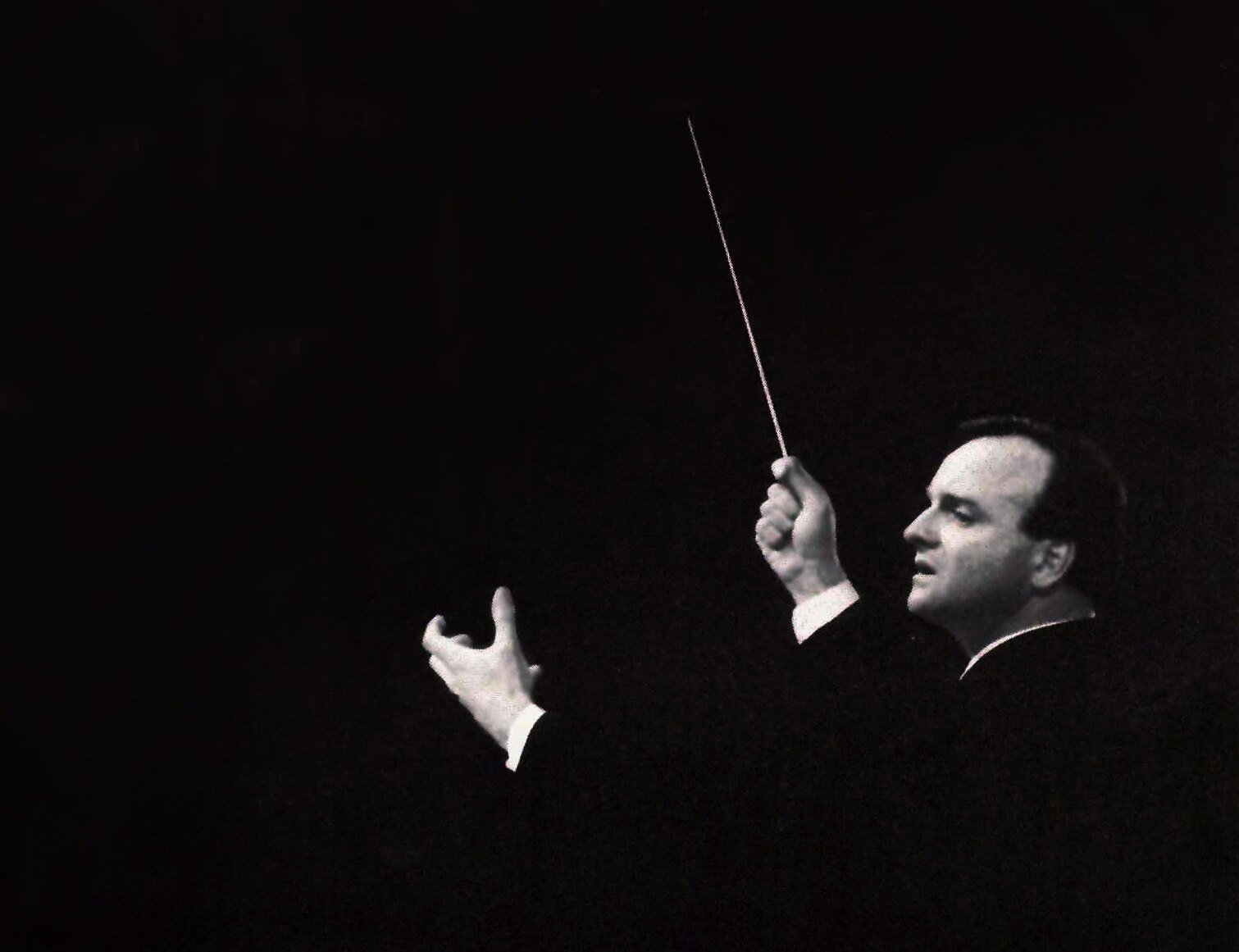
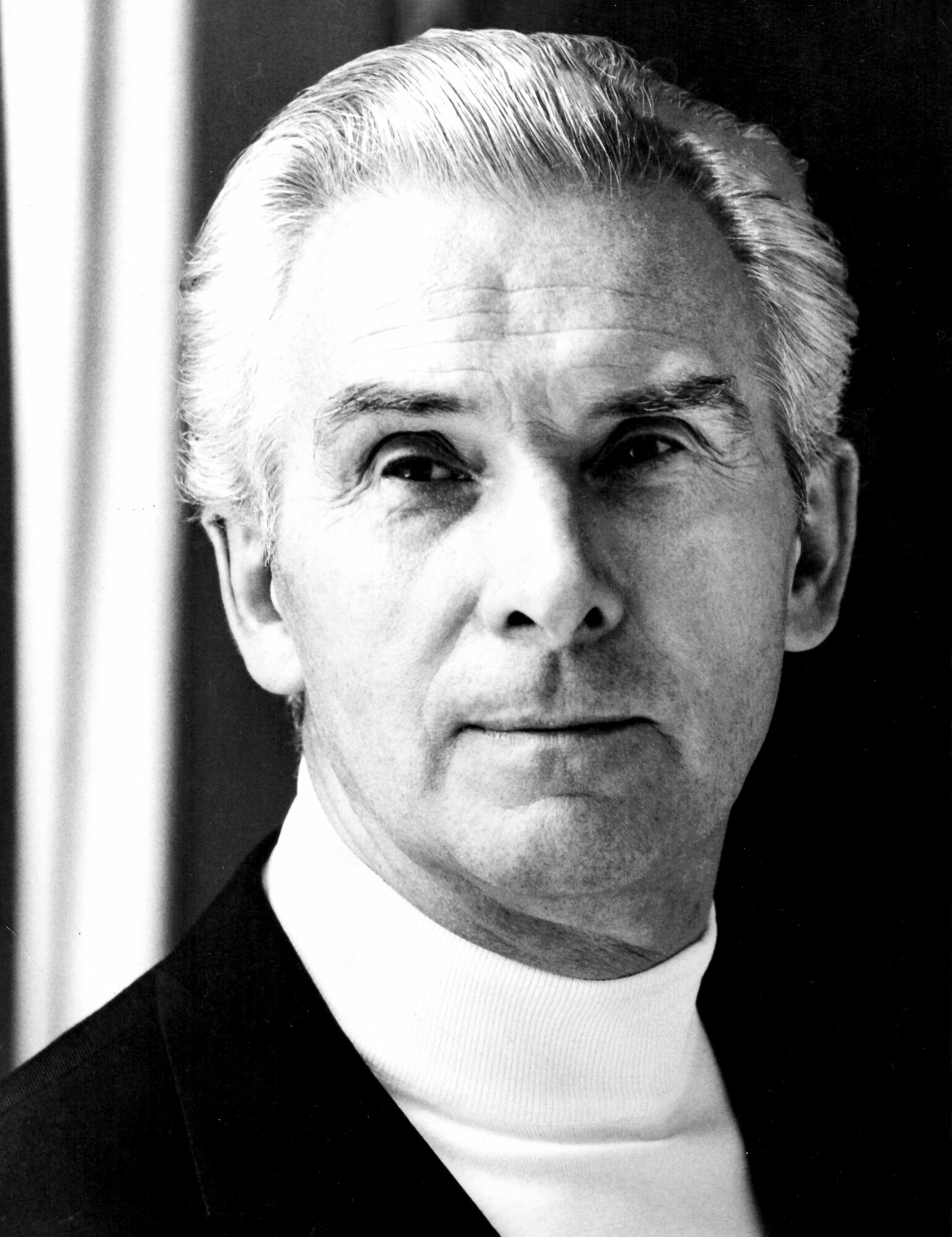
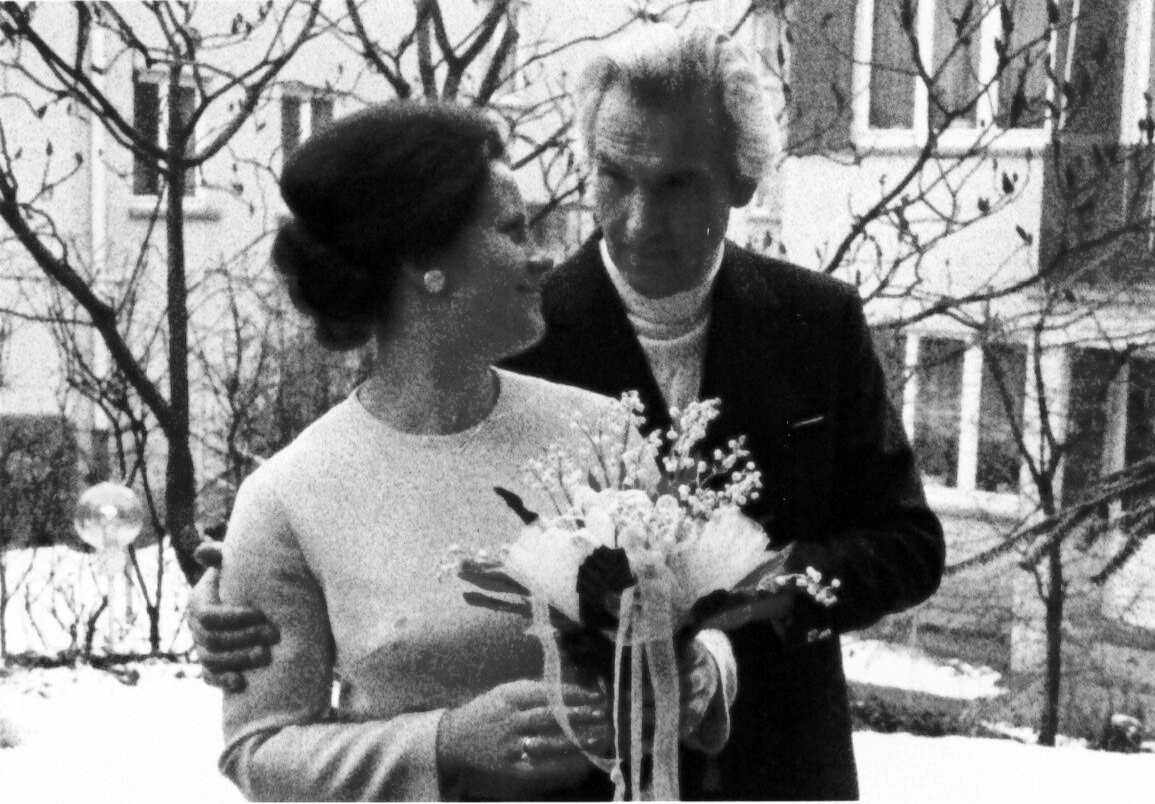
Cordula met Rudolf Kempe on a personal level late in 1969, after playing her first Bruckner and Mahler under him. Besides the Munich Philharmonic he was then also Principal Conductor of the Royal Philharmonic Orchestra in London and of the Tonhalle in Zurich, and throughout the Cold War he kept up close ties with the Staatskapelle in his native Dresden, in concerts and in the most wonderful recordings. When she decided to leave the orchestra to devote herself entirely to Kempe and his work on the international music scene, he really needed it.
For her, running three households and keeping Kempe’s diaries were some of the easier tasks. She went on playing as an extra with the Munich Philharmonic, in concerts as well as in Kempe’s recordings of the complete cycles of Beethoven and Brahms and the sadly unfinished Bruckner symphonies, and she appeared as a soloist with fellow members of the orchestra.
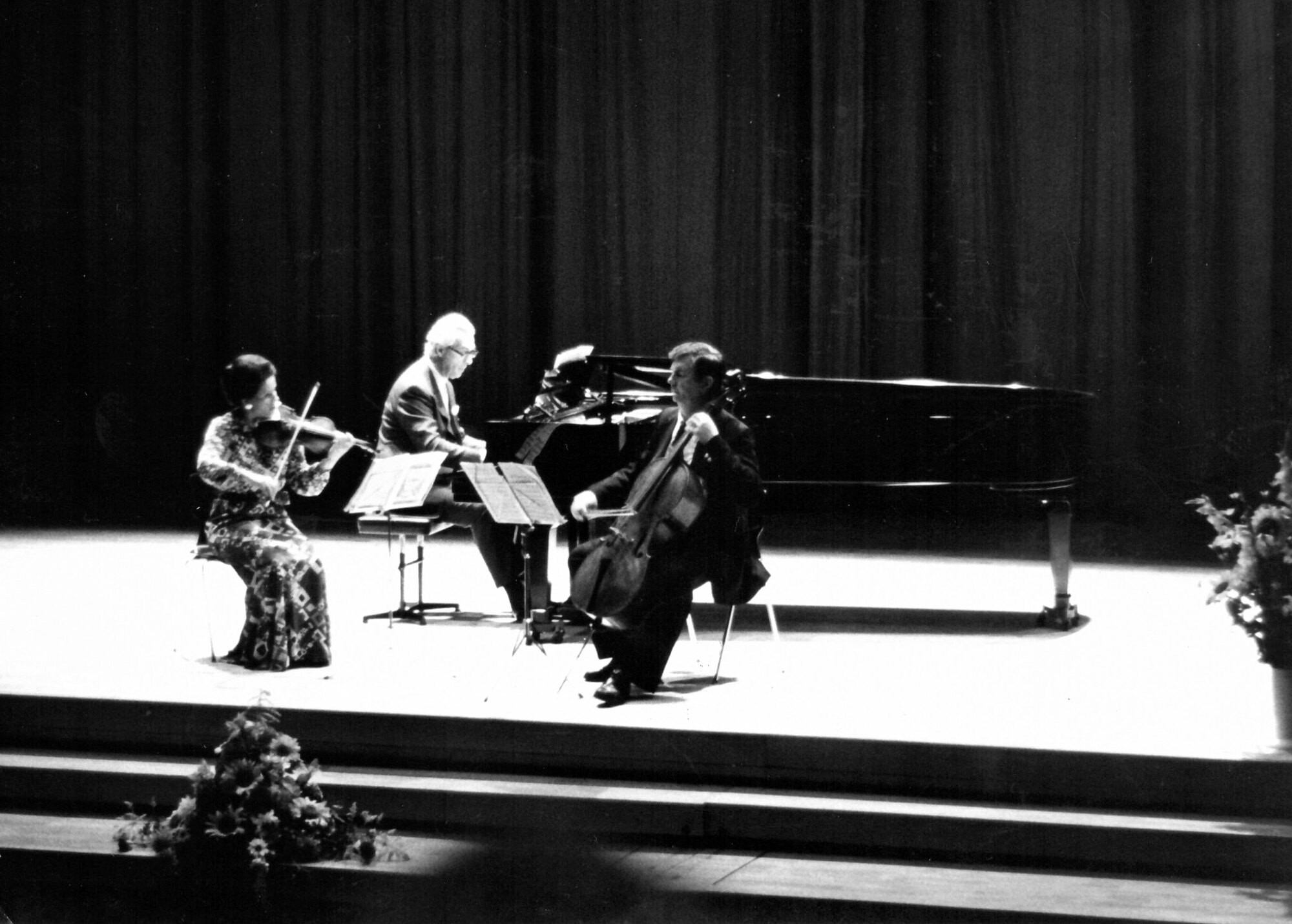
Kempe, a dyed-in-the-wool ensemble musician who sometimes tired of “chopping the air into bits in front of his musicians’ noses”, loved playing piano trios in concert with Cordula and the Munich Philharmonic’s Principal Cellist, Fritz Kiskalt, in Germany and Switzerland, or on London’s South Bank with the RPO’s Christopher van Kampen.
Their relationship began with a medical prognosis of no more than a year, owing to his health, which was fragile from the stress and deprivation of the war and the post-war years. It lasted nearly seven. And although, in spite of their ardent wish, they could not have children, their union was a deeply fulfilled and happy one. Eventually, hosts of young musicians whom she looked after were to become Cordula’s “children” – and, posthumously in a sense, Kempe’s as well.
Teaching in Munich
After her husband’s death in 1976 Cordula had to earn her living, not that she minded: she was never one to twiddle her thumbs. Kempe’s artistic qualities, owing to his incurable modesty, had never been reflected in his fees or record royalties. She did not rejoin the Munich Philharmonic, much as she loved the symphonic repertoire. Rostal was probably right: “You wouldn’t like it, after what you so enjoyed before!”
Instead of a modest pension in proportion to Kempe’s ten-year contract, the City of Munich offered her a teaching position at its Richard Strauss Conservatoire. She took it on, unaware of what awaited her. Passionate about teaching, and very good at it, as Rostal held, she rolled up her sleeves and revolutionised the Conservatoire and its backward syllabus. The Directorate, as she told it, had pronounced that “chamber music and orchestral studies are rubbish” (“Quatsch”, in German): “Our students learn to play their instruments, that’s enough.” Cordula thought otherwise and offered those courses in addition to her contractual hours. The students came flocking to her.
The Bergonzi Quartet

She also freelanced with various chamber orchestras as leader or co-leader, including the Munich Residenz Orchestra under Zoebeley. In 1984 she formed her own string quartet, named Bergonzi after her violin, with members of different nationalities. It came to specialise in what gradually developed into a new way of studying and performing: the blending of word and music, in which the two kindred fields enhance each other – ear-opening and eye-opening, for students and audiences alike. The quartet, later based in the UK, established itself on these grounds. The reason behind the idea: music on its own may make people feel better, but it doesn’t make them better people. Something else is needed to make a difference.
The Rudolf Kempe Society
In 1980 some English musicians declared their wish to found a Society in the German conductor’s memory and asked for Cordula’s cooperation. She agreed, on condition that rather than setting up a Kempe museum they would actively pursue his concern for improving the education of young musicians. Her experience at the Munich Conservatoire had made the need for this blatantly obvious, as had the state of musical education in Germany since her own student days. Kempe himself had for years appointed either foreigners or German musicians who had studied abroad.
The idea of a Kempe Society had in fact been the brainchild of Dietrich Fischer-Dieskau, a personal friend of Cordula and her idol of the Lied repertoire since childhood. Having frequently worked with Kempe, he had contributed a foreword to her pictorial biography of him, Pictures of a Life, published in 1977. He now agreed to be the Society’s Patron, a position he held until his death in 2012, when it was taken over by Dame Judi Dench.
The vision and quality of Cordula’s artistic and educational work rapidly won her the respect and active support of a great number of the finest musicians of the time. With Sir Charles Groves as Honorary President, succeeded after his death in 1992 by Sir Colin Davis, they gave master classes, workshops and concerts in London and Munich: Max Rostal, Yehudi Menuhin, Paul Tortelier, Bruno Leonardo Gelber, Bernard Haitink, Heather Harper, Dame Janet Baker, Yfrah Neaman, Elisabeth Söderström, Gidon Kremer, Heinrich Schiff and Dmitry Sitkovetsky, to name but a few; and more recently Roderick Williams, Sholto Kynoch, Michael Gees and Christoph Prégardien.
The Society’s public master classes in Munich, an absolute novelty for West Germany in the 1980s, were recorded, broadcast and re-broadcast by Bavarian Radio. So were the Young Artists’ Concerts which Cordula established to complement them, on a regular exchange between Germany and England. Innumerable young instrumentalists and singers benefited from these schemes, many of them going on to remarkable international careers: among them Tasmin Little, Jan Talich, Stephan Loges, Radoslaw Szulc, Felix Schmidt, Jens Lohmann, Adrianne Pieczonka, Alexander Schmalcz, Daniel Driver, Gary Matthewman, Julian Prégardien, the Auryn String Quartet and the Phoenix Duo.
All this was achieved through the passionate contributions of distinguished artists, and through Cordula’s solitary hard administrative work, with virtually no financial support from anywhere. By her account the City of Munich’s Cultural Department had commissioned the master classes, which originated from the London end, and promised to fund them; it praised them to the sky but never honoured the promise. The Society’s Artistic Director, also its Maid of all Chores in pre-computer and pre-internet times, had to work up to 20 hours a day and raise her mortgage on a regular basis.
Stratford-upon-Avon and The Muses
With her close ties to England through her husband’s work, Cordula Kempe decided to end her days not in Munich but in England. Shortly after Kempe’s death she had literally stumbled over the second great love of her life: Shakespeare. In 1985 she found a completely derelict hovel right in the heart of the Bard’s town of Stratford, took out another mortgage, and turned it into a cosy home and the base of the Society.
On retiring from Munich in 2007 she extended the house to take the whole of Kempe’s vast archive, as well as his big Steinway and harpsichord. The extension also held a performance space for audiences of fifty, in the intimate atmosphere of a drawing room. Reviewers called it “Stratford’s Wigmore Hall”; performers and audiences loved it. There she presented chamber music and Lieder, re-kindling the spirit of the Schubertiads.
In its peaceful terraced garden is Rudolf Kempe’s final resting place.
Songs of Apollo
Situated between the Royal Shakespeare Company’s theatres, overlooking the theatre gardens and the River Avon, the Kempe Studio at The Muses was dedicated to all of Apollo’s followers, ancient and modern. The walls of the house were decorated from top to bottom with their images: etchings of Shakespeare’s complete plays and renderings of artistic themes from Biblical times to the present, all of them Cordula’s personal friends.
What she began in the 1980s as an experiment with her students, out of her love of poetry and drama, their kinship with music and their meaning today, grew into dozens of word and music programmes which she devised on a great many subjects, musical and literary, from the mundane to the philosophical.
Over some twenty-five years these programmes were performed at all three of the Royal Shakespeare Company’s theatres, at several London venues and in Germany, by the Bergonzis with some of the finest English actors: Richard Pasco and Barbara Leigh-Hunt, Simon Russell Beale, Jane Lapotaire, Alex Jennings, Julian Glover and Isla Blair, Tim West and Prunella Scales, Henry Goodman, Janet Suzman, Desmond Barrit, Penny Downie, Tim Pigott-Smith and Pamela Miles, Clifford Rose, Penelope Wilton, Malcolm Storry, Cheryl Campbell, Guy Henry, Zubin Varla and many others. Not least among them were Judi Dench and her brother Jeffery, the Society’s Chairman and a very dear personal friend; and then Jeffery’s gifted grandson Oliver. One of the most popular, But there is Mozart!, can still be watched online.
Beauty and Goodness
All these artists, actors and musicians alike, seemed to share Cordula’s creed, summed up in Shakespeare’s Sonnet 66:
Tir’d with all these, for restful death I cry:
As, to behold desert a beggar born,
And needy nothing trimm’d in jollity,
And purest faith unhappily forsworn,
And gilded honour shamefully misplac’d,
And maiden virtue rudely strumpeted,
And right perfection wrongfully disgrac’d,
And strength by limping sway disabled,
And art made tongue-tied by authority,
And folly, doctor-like, controlling skill,
And simple truth miscall’d simplicity,
And captive good attending captain ill:
Tir’d with all these, from these would I be gone,
Save that, to die, I leave my love alone.
In February 2016 she wrote:
LOVE, standing not just for love to an individual human being but to a cause, is the motivation to contribute through the arts to fellow human beings what may look, on the surface, just like ‘entertainment’ offering the ‘feel-good factor’ – though in the best possible sense. Beyond that, however, it unobtrusively raises awareness for what may prove the only healing power for this world of violence, greed and indifference. The ancient Greeks called it Kalokagathia, the union of Beauty and Goodness – as did my revered fellow Schwabian poet and humanist Schiller. Access to Beauty and Goodness is the birth-right of every human being – especially those who are misled into pursuing violence and destruction.
Chaj – Hebrew for Life – is what we all are here for, and committed to shield and preserve.
Whatever God you believe in – He is not a God of Death. He is a God of Life.
Later years
Cordula Kempe lived at 58 Waterside in Stratford-upon-Avon, where she curated Rudolf Kempe’s extensive archive of personally marked orchestral scores, operatic and symphonic; of piano, harpsichord and organ music, all of which he played; and of audio and video recordings of his performances, many of them unpublished. She kept her own substantial archive of violin and chamber music repertoire alongside it, and made all of it available for study.
She also drew on a comprehensive bilingual library, classical and contemporary, including material for several books in preparation: a full-length Kempe biography, an anthology of portraits of German Jews in Israel, and a compendium on string playing and interpretation based on Flesch and Rostal. (Not, she insisted, her autobiography.) She wrote a series of articles on music and the composers who formed her life for the Stratford Herald.
An injury to her left hand, suffered in a carpal tunnel operation, left her with two dead fingers and drastically reduced her playing in public. She still greatly enjoyed coaching professional musicians, passing on a lifetime’s expertise gained from work with some of the finest artists of her time.
After the Society closed in 2021, Rudolf Kempe’s archive passed to the Staatskapelle in Dresden. Cordula Kempe died in November 2024.
This page is adapted from the biography on Cordula Kempe’s own website, published in 2016.
Early years
-

Childhood
-
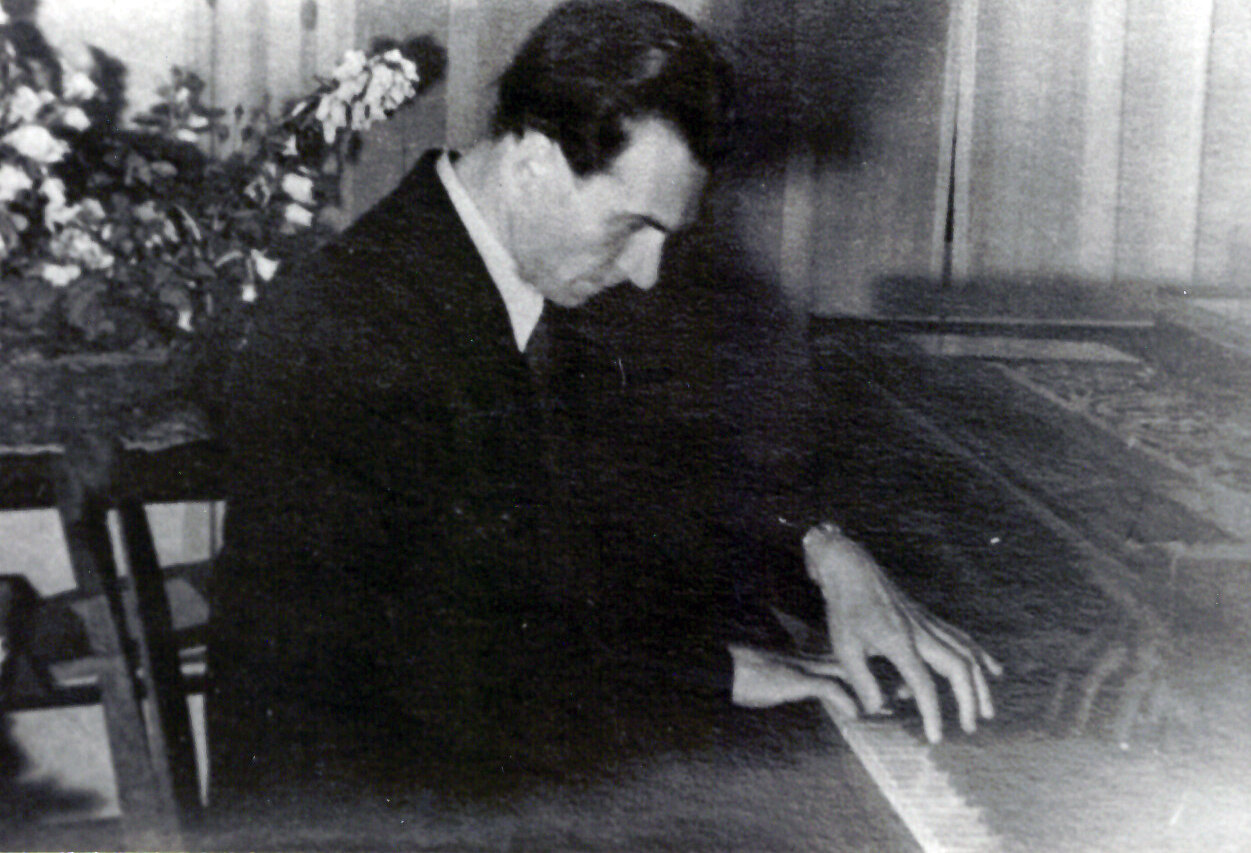
Unaware of each other… Rudolf Kempe in Dresden
-
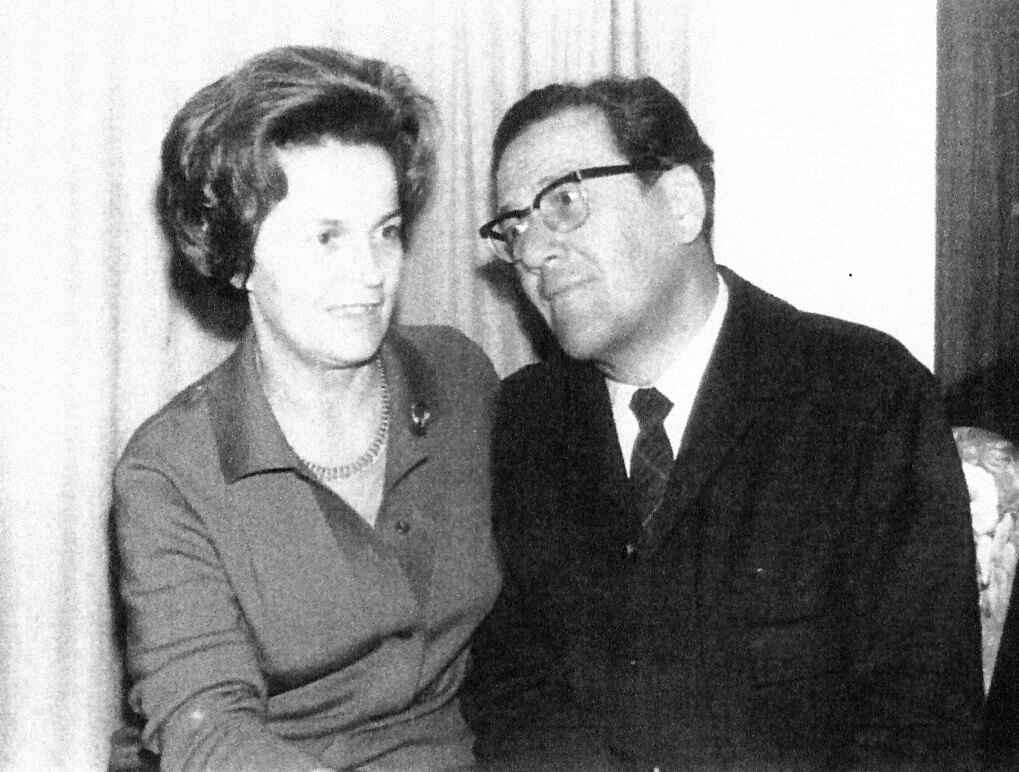
-
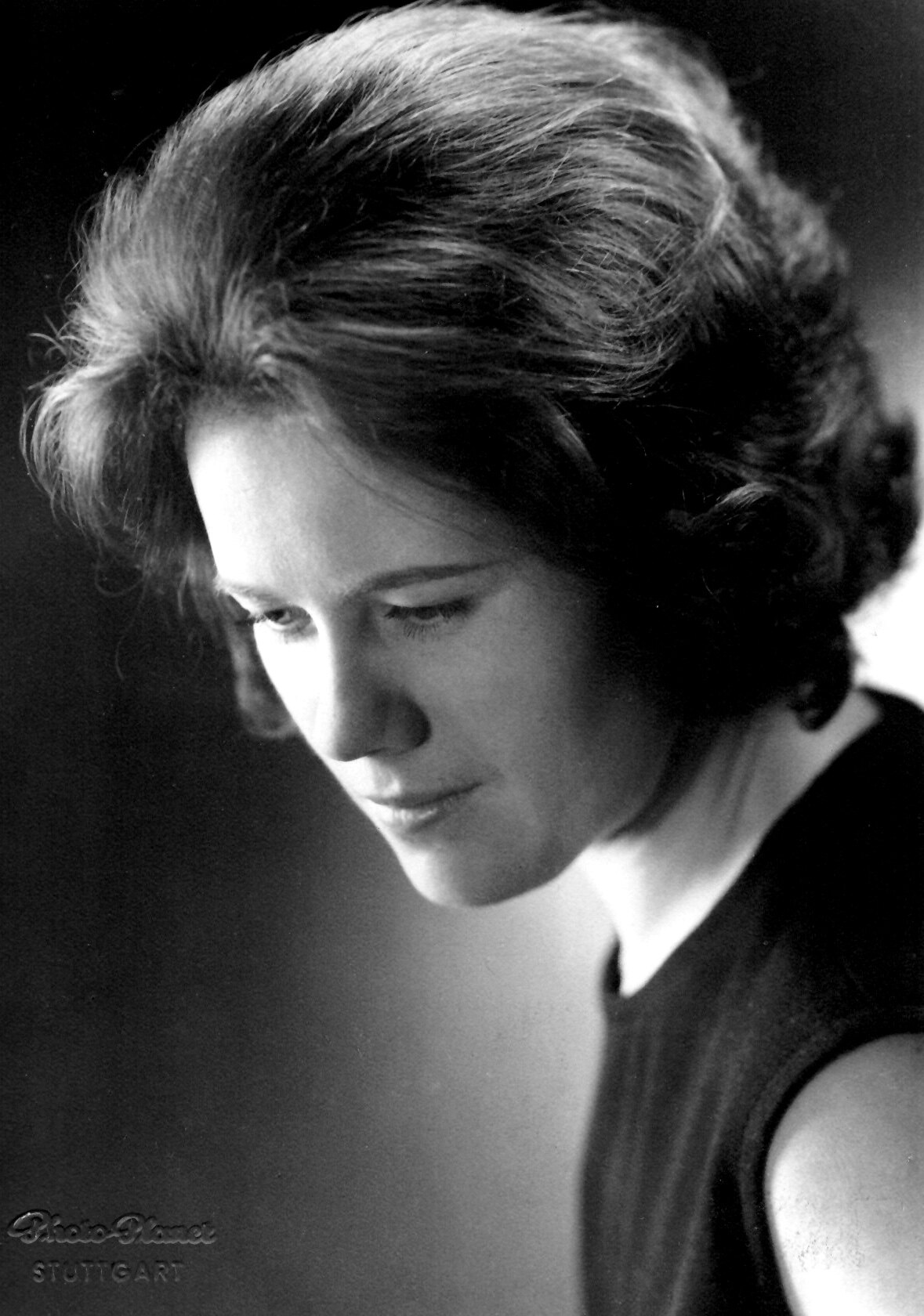
Studio portrait
-

Portrait
-
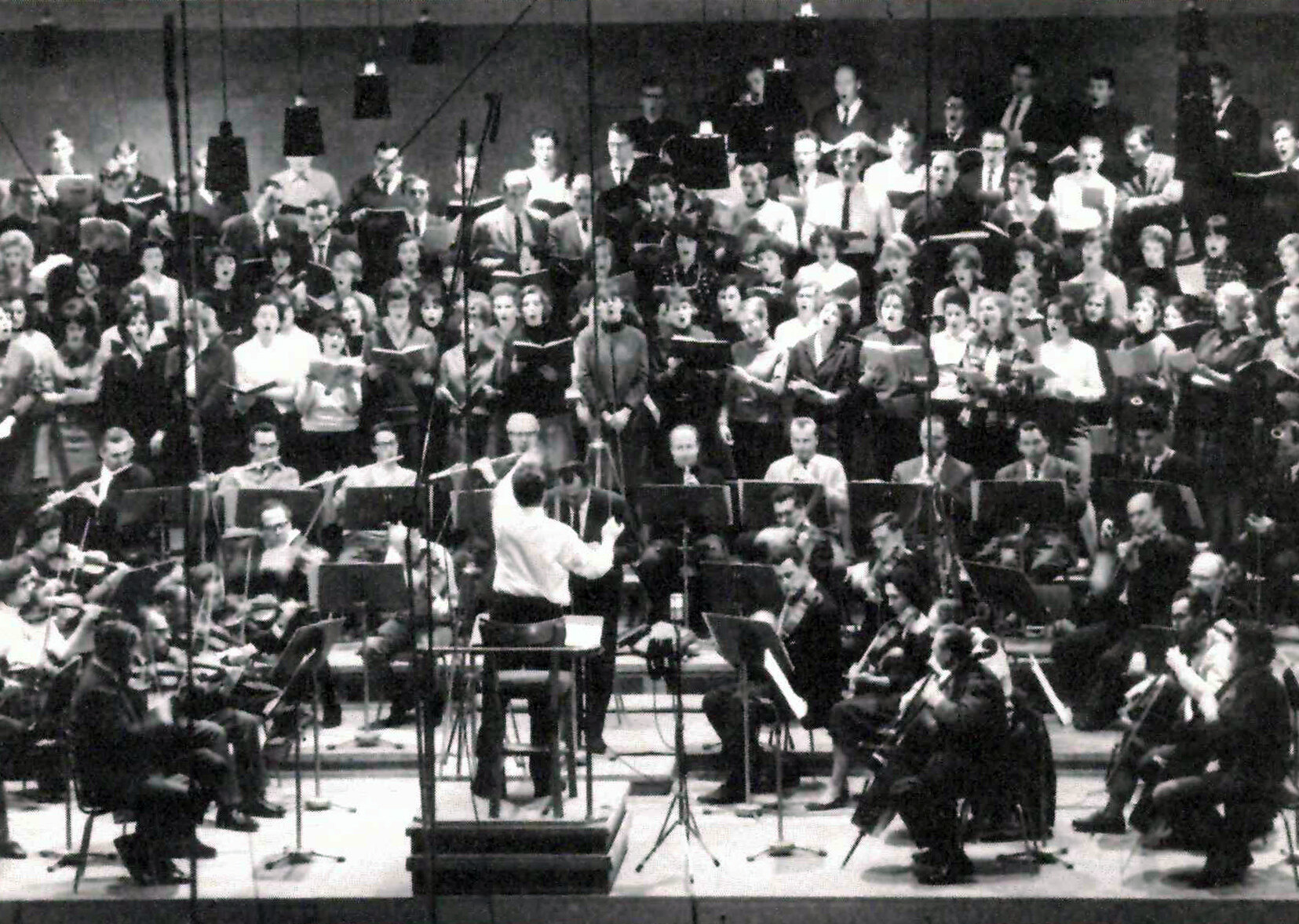
An orchestra and choir at work, microphones overhead
-
-
Orchestra and choir on the concert platform
With Rudolf Kempe
-
Rudolf Kempe
-
Cordula and Rudolf Kempe
-
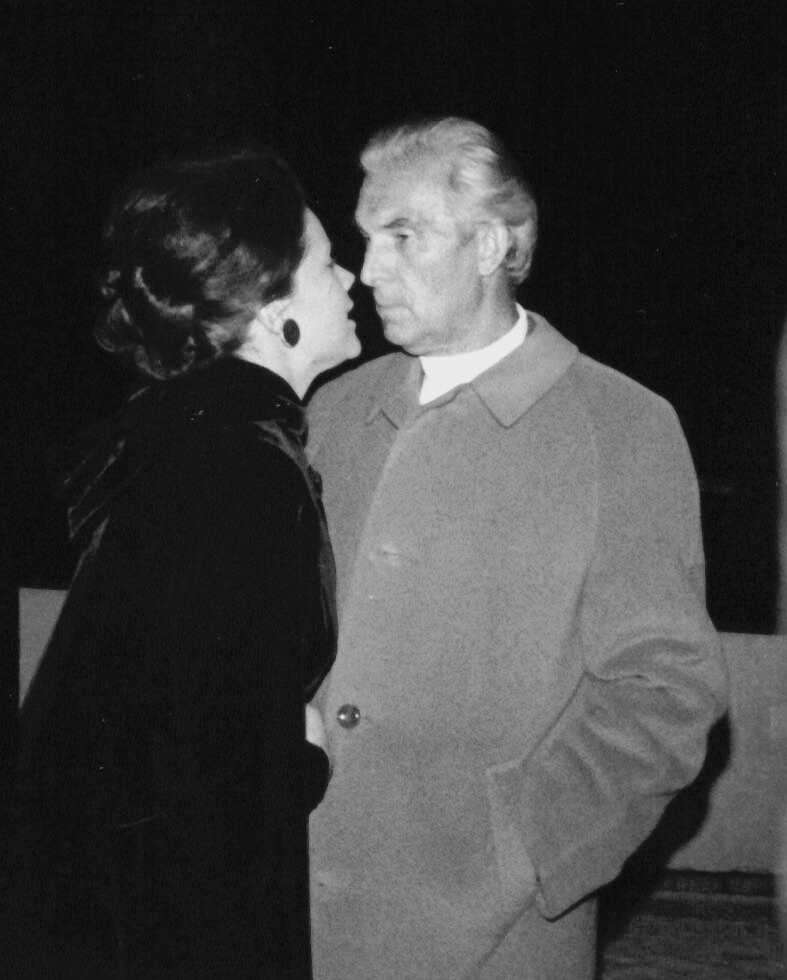
In conversation
-
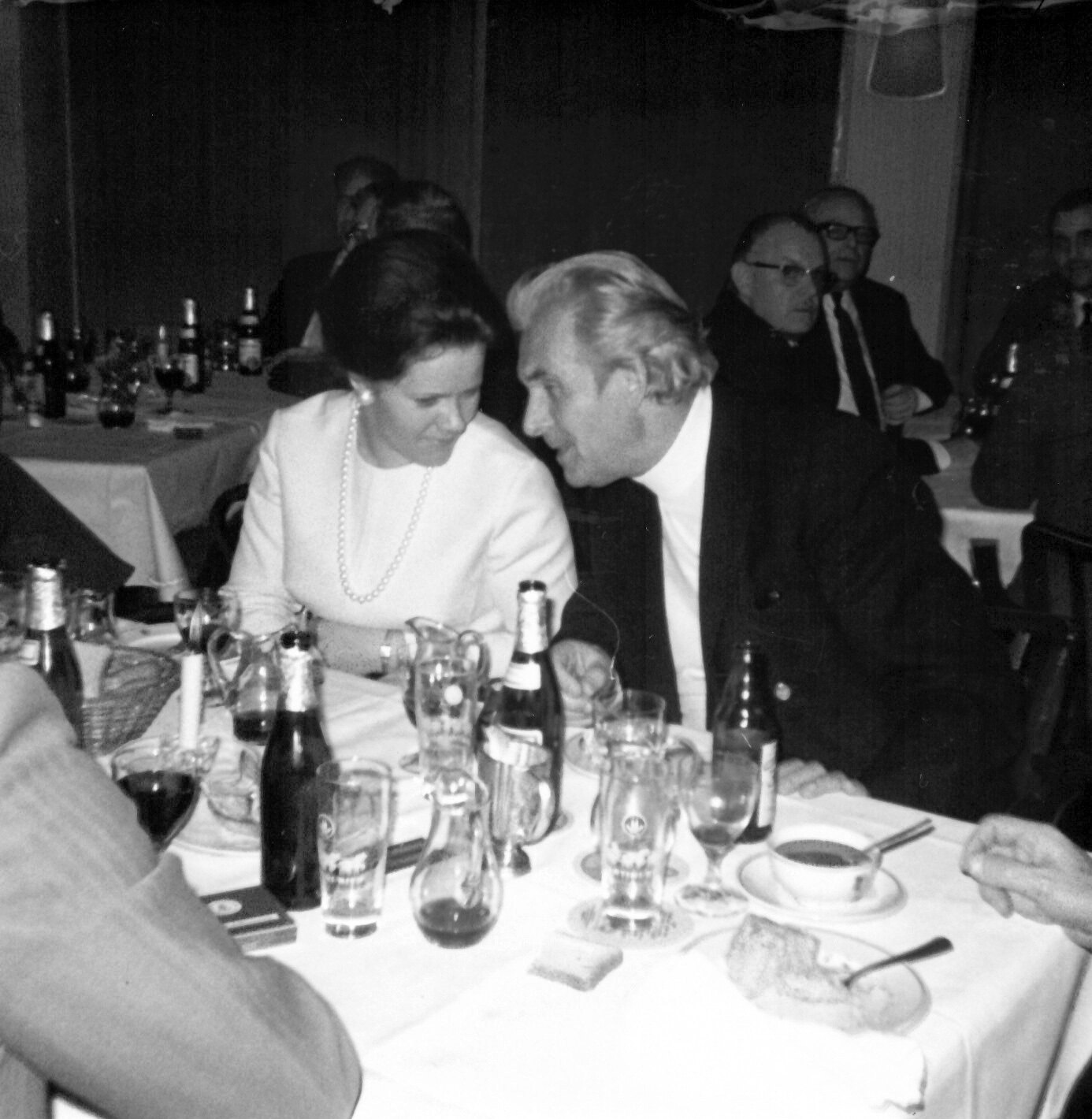
At table
-
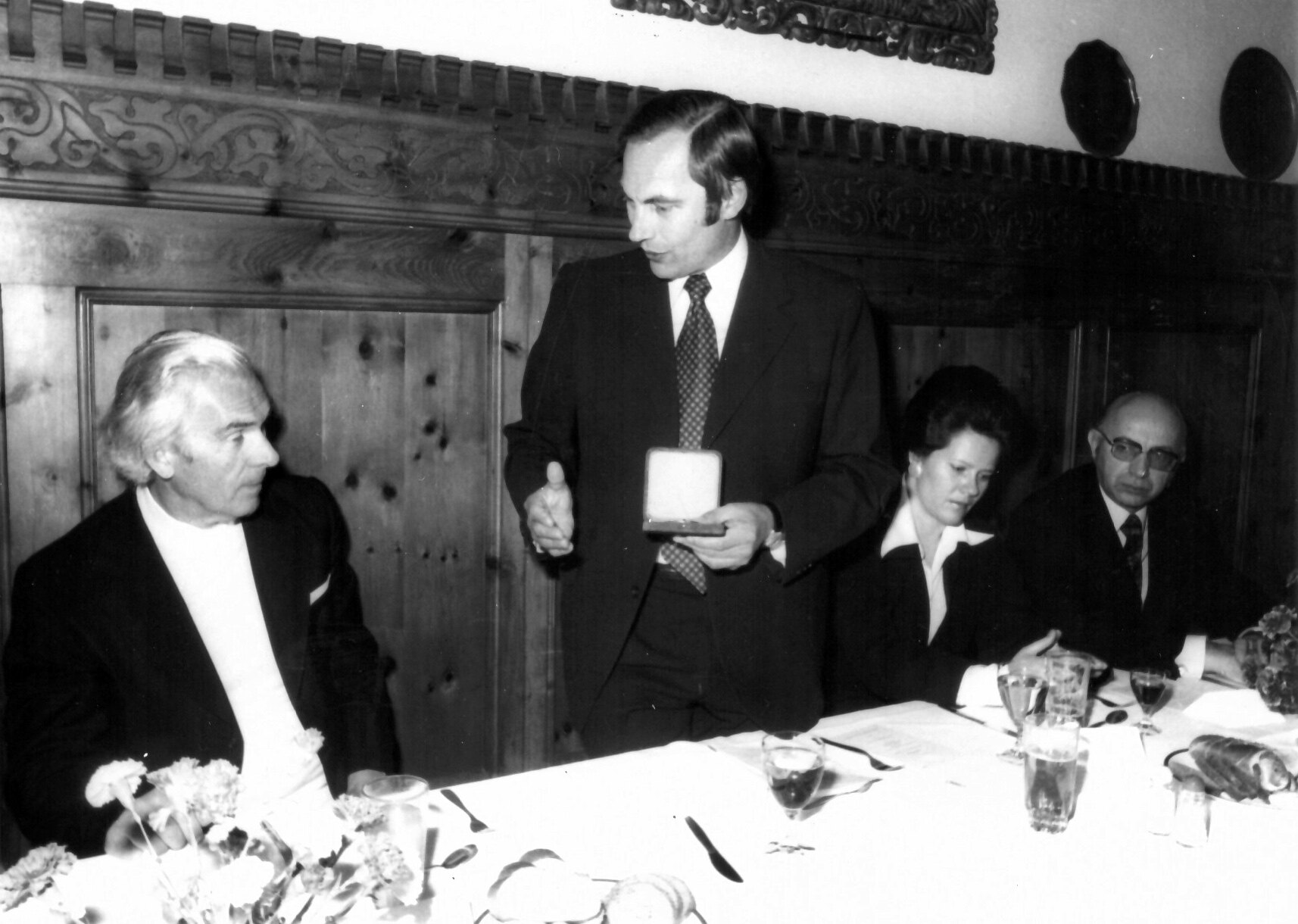
A presentation to Rudolf Kempe
-
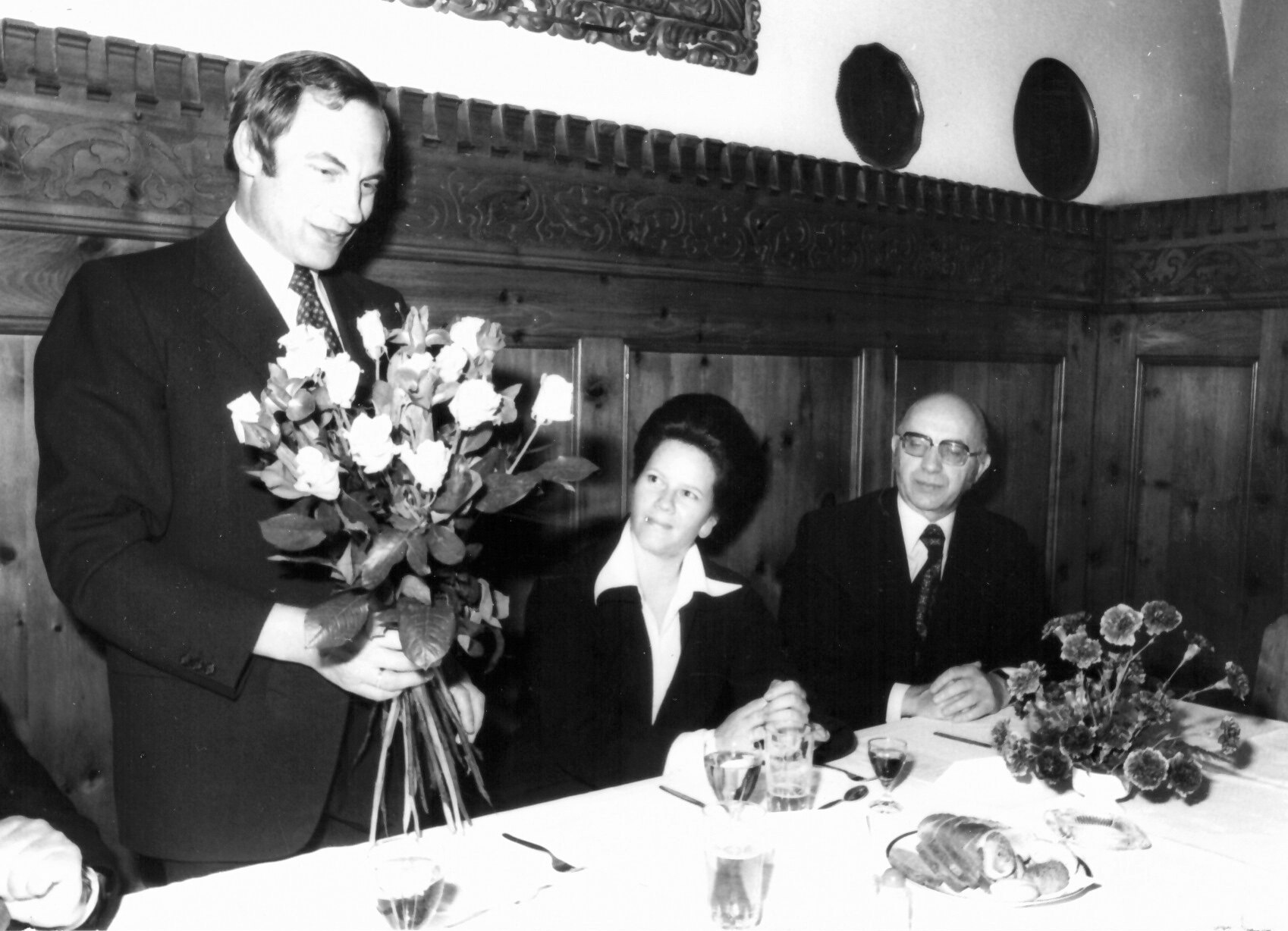
Roses at the same dinner
-
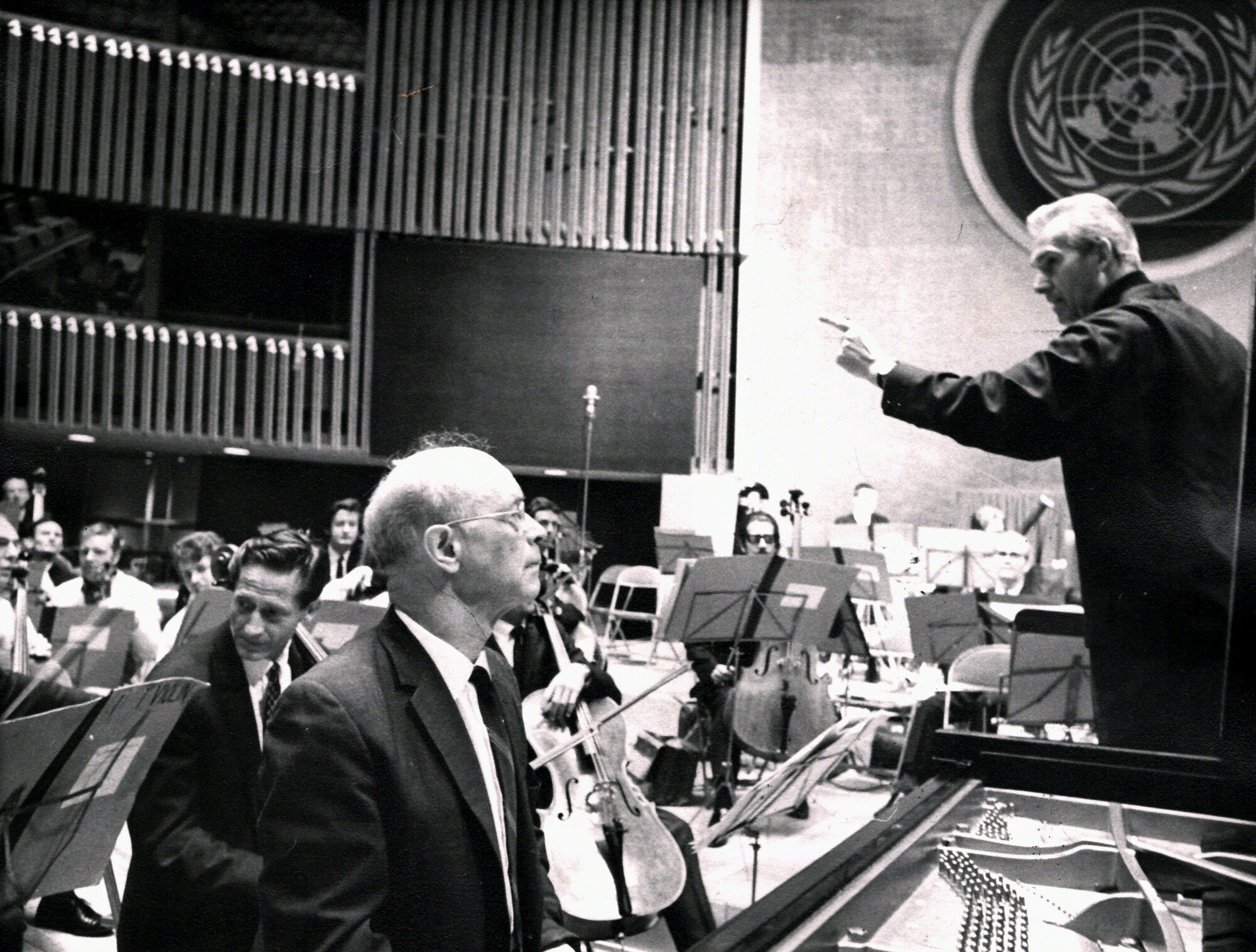
A rehearsal in a hall with the United Nations emblem on the wall
-
-
-
Concerts and recordings
-
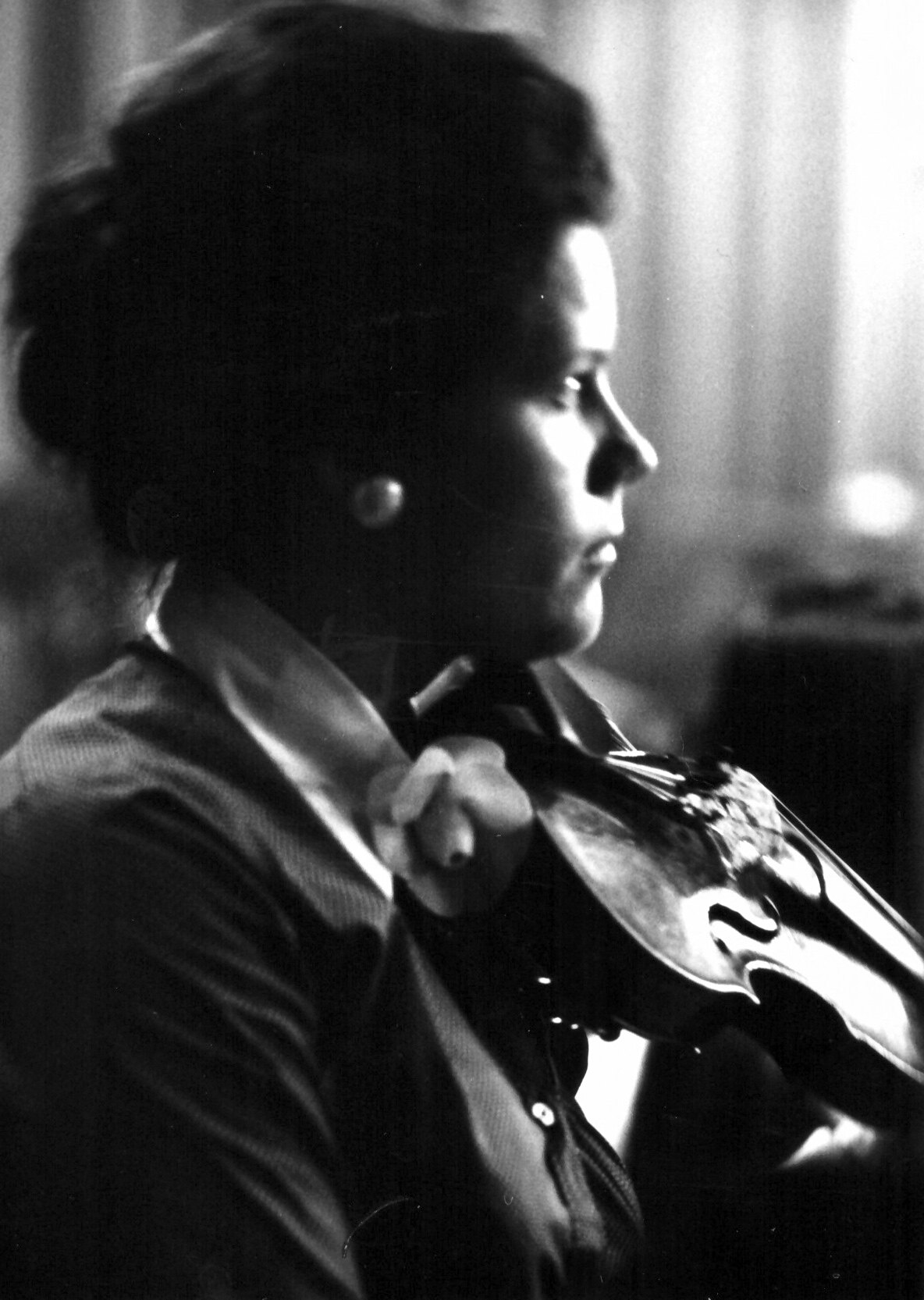
With her violin
-
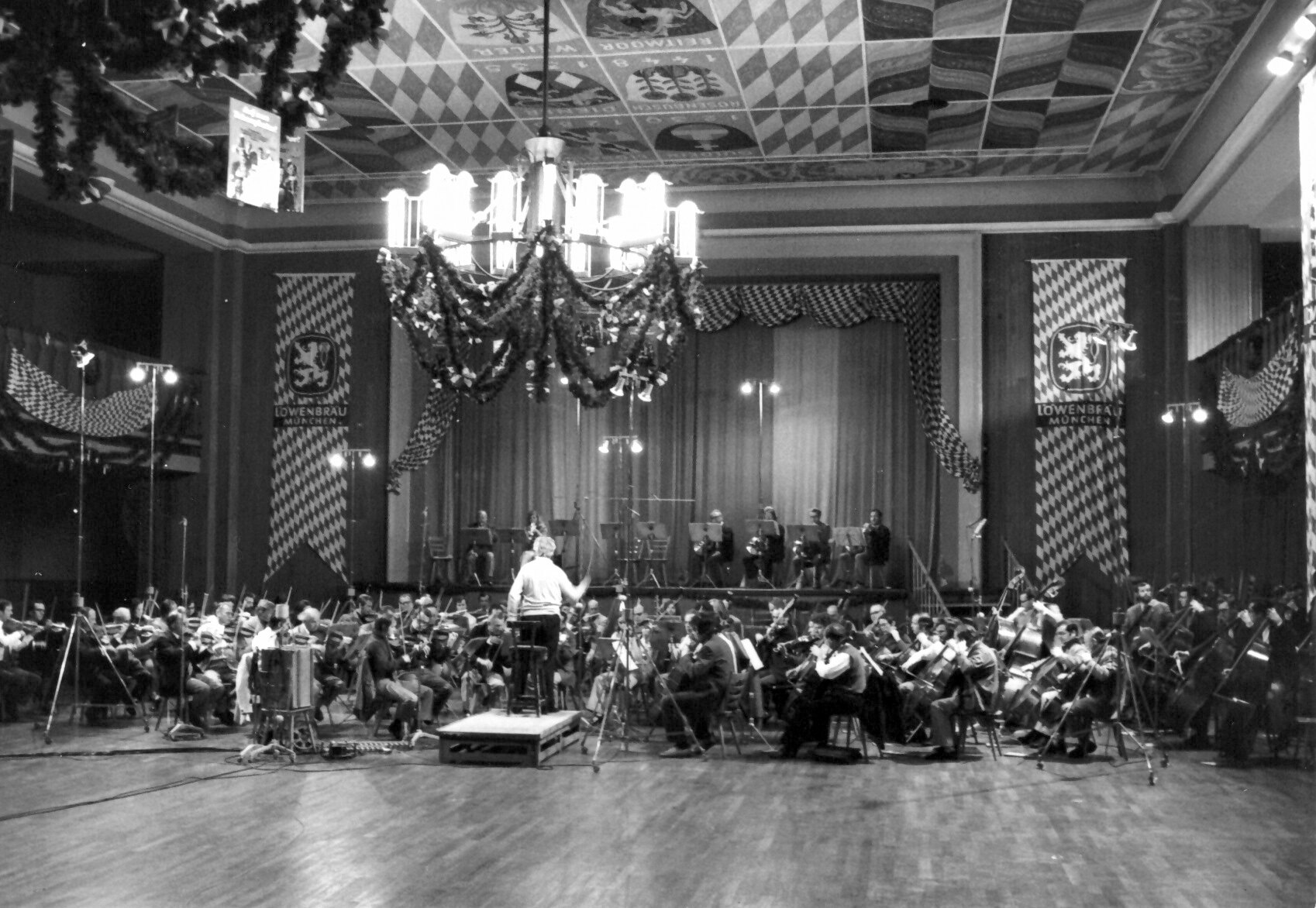
An orchestra at work in a Munich hall hung with Löwenbräu banners
-
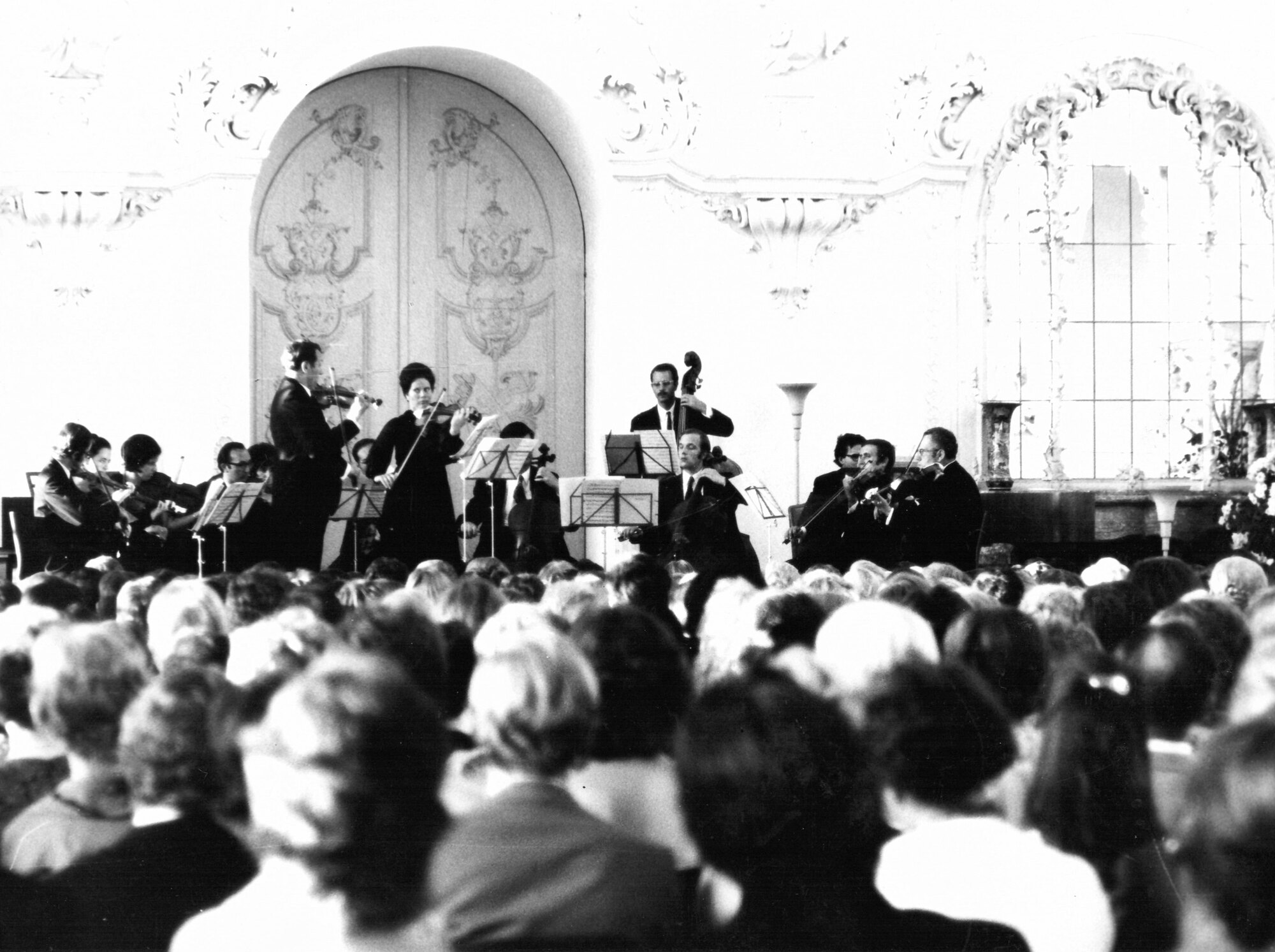
A concert in a rococo hall
-
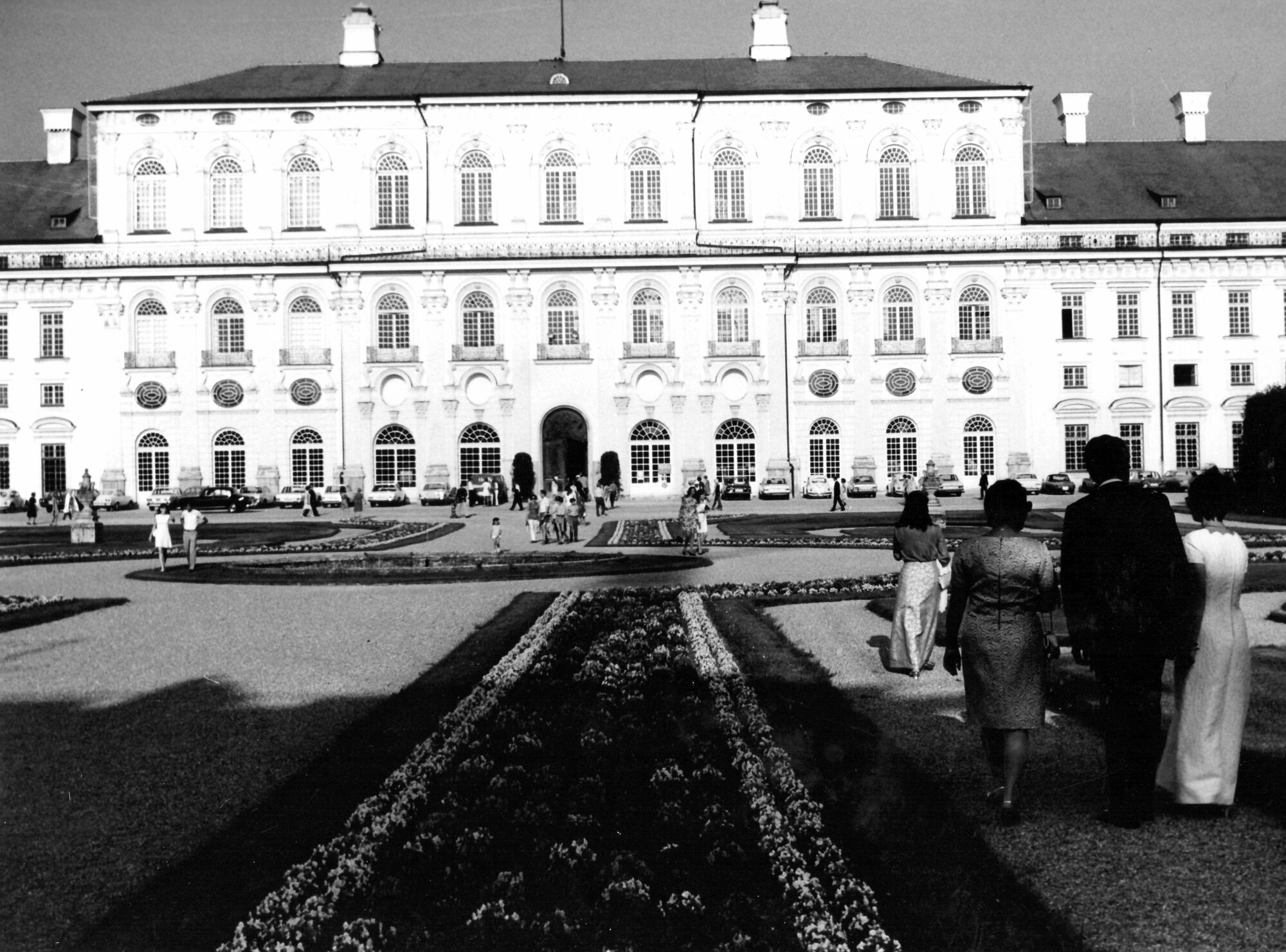
In the gardens of a palace
-
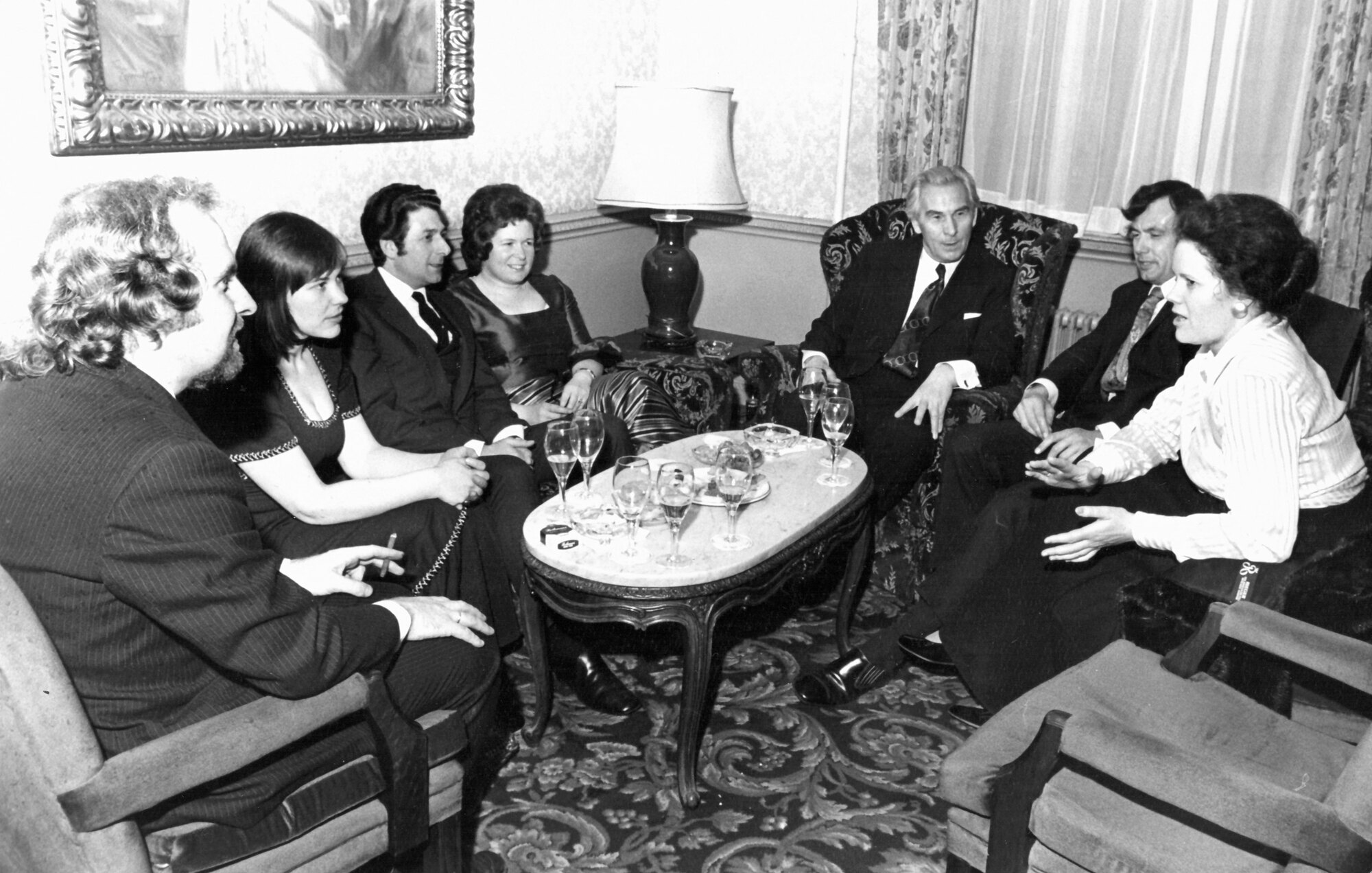
Rudolf and Cordula Kempe with friends